
What Is a “Comparable” Job?
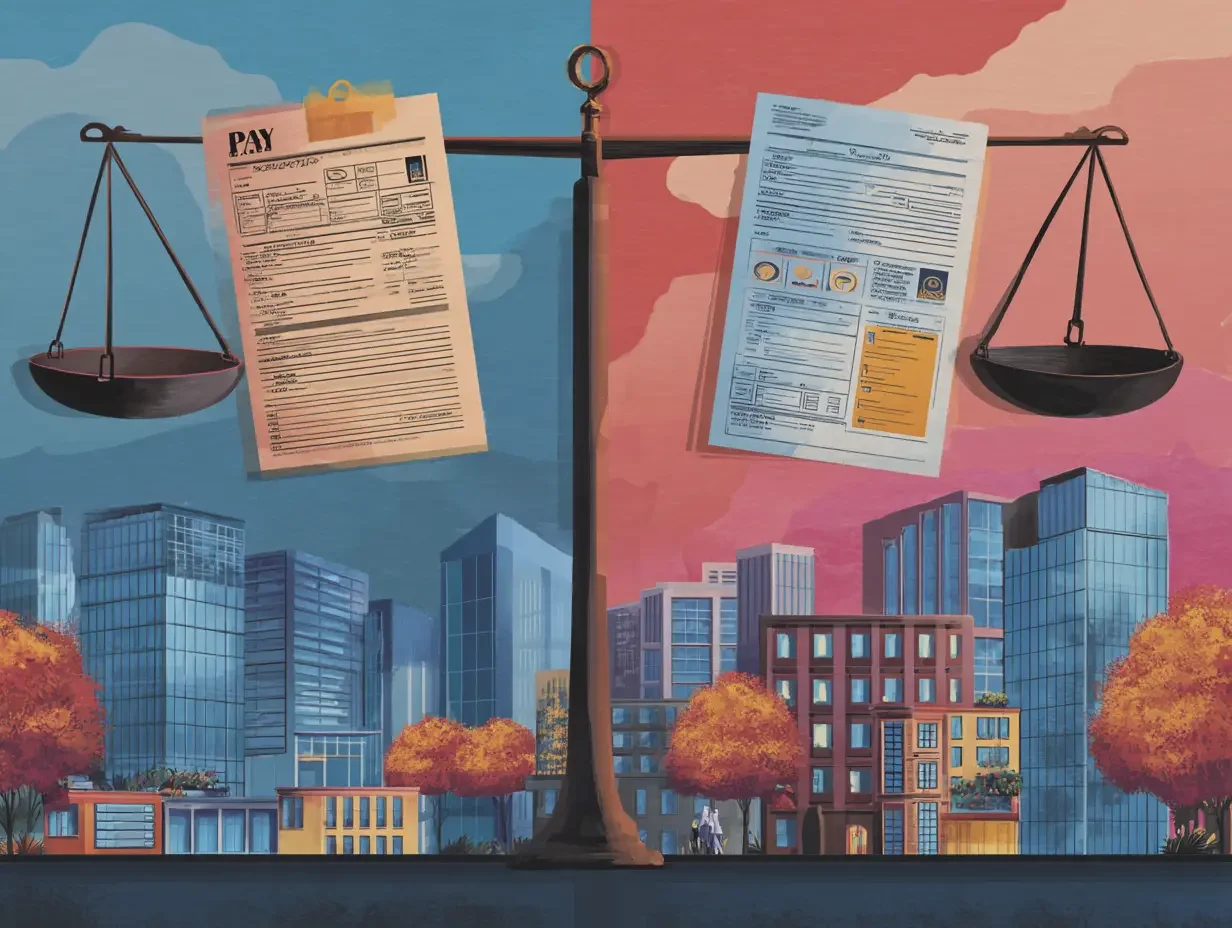
If you’re offered a different role—especially after a leave of absence—you may hear that it’s a “comparable position.” But what does comparable actually mean in Ontario employment law, and why does it matter?
This guide explains how to spot a truly comparable job, when the issue usually arises, and what to do if the offer misses the mark.
Why “Comparable” Matters
Return from leave: Under Ontario’s Employment Standards Act, 2000, employees returning from pregnancy or parental leave are entitled to their same job or a comparable position if the original job no longer exists.
Workplace changes: Employers can’t unilaterally demote or significantly change core terms. If they do, it may amount to constructive dismissal.
After termination: Whether a new job is “comparable” can affect legal strategy and potential compensation. (Get advice before making decisions.)
What Counts as Comparable?
Think same level, similar package, similar stature. A position is generally comparable when the core elements align with your previous role:
Compensation: Base pay, bonus/commission structure, benefits, allowances (e.g., car, phone).
Duties & responsibility: Nature of work and decision-making authority.
Title & prestige: Standing within the organization and reporting lines.
Hours & schedule: Similar workload, shifts, and flexibility.
Workplace factors: Location/commute, hybrid/remote expectations, travel.
Example: Moving to another department with the same pay, similar responsibilities, and equivalent title is typically comparable.
What Is Not Comparable?
Red flags include material negative changes, such as:
Lower pay or loss of key compensation elements (e.g., commissions, car allowance).
Reduced responsibility, lower title, or diminished authority.
Harsher hours or shifts without agreement.
Meaningful loss of prestige or a drop in the organizational hierarchy.
Example: Reassigning a department manager to an entry-level role with reduced pay and authority is generally not comparable.
When a Non-Comparable Offer Can Be Constructive Dismissal
Constructive dismissal can occur when an employer unilaterally makes a fundamental change to the employment contract—such as slashing pay, downgrading duties/title, or significantly altering hours—without the employee’s consent.
The same analysis applies when someone returns from leave and is offered a role that is clearly inferior to the one they held before.
What To Do If the Offer Isn’t Comparable
Compare the essentials. List your old role’s pay, benefits, duties, title, hours, and status; do the same for the new role.
Raise the issue promptly (in writing). Ask for adjustments so the role truly matches your prior position.
Document everything. Keep emails, letters, and notes of meetings.
Get legal advice early. A lawyer can assess comparability, help negotiate changes, or advise on a constructive dismissal claim where appropriate. A demand letter is often an effective first step.
Quick Self-Check
Is total compensation equivalent (not just base salary)?
Are duties and authority substantially the same?
Does the title/status reflect the same seniority and prestige?
Are the hours/schedule/location materially unchanged?
Would a reasonable person view this as the same caliber of job?
If your answers trend “no,” the position may not be comparable.
We’re Here to Help
If you’ve been offered a role you’re told is “comparable” but it doesn’t feel that way—or you’re returning from leave and facing a downgrade—Vanguard Law can review your options and protect your rights.
This article is for general information only and is not legal advice. For guidance about your specific situation, please contact a lawyer.