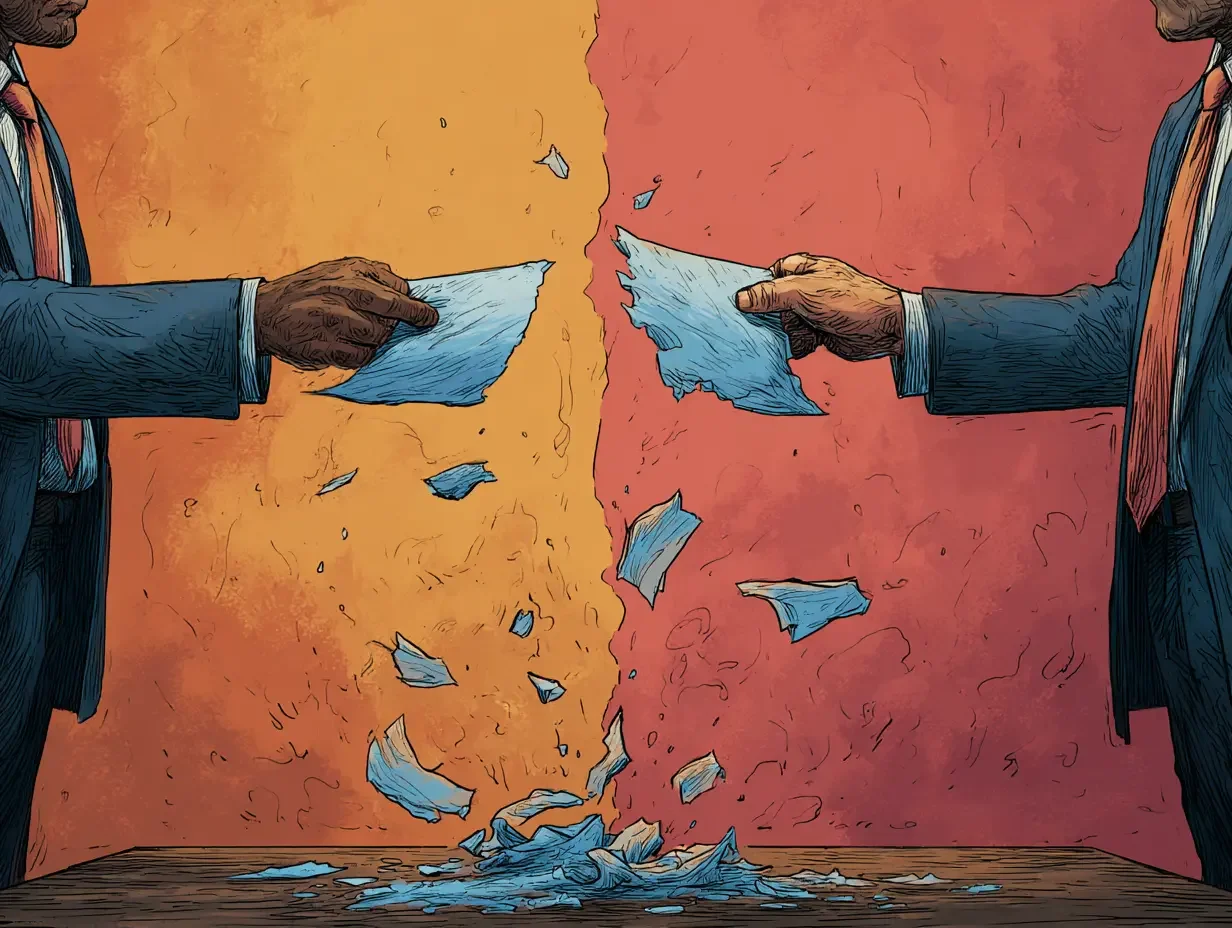
Constructive dismissal happens when your employer fundamentally changes your job—or treats you so unfairly—that a reasonable person would say the employer has ended the contract, even if they never said “you’re fired.” In law, it’s treated like a without-cause termination, so you can claim reasonable notice (severance) and related damages.
Courts look at two main paths:
Single, substantial change to a fundamental term (pay, duties, status, location, schedule, job security).
A series of acts (or a toxic environment) showing the employer no longer intends to be bound by the contract.
Common examples that can qualify
Pay cuts or compensation changes that materially reduce earnings (salary, commission plan, bonus formula, equity).
Demotion or loss of prestige (title drop, removal of direct reports, stripping core responsibilities).
Big schedule/location shifts (e.g., forced nights, permanent remote-to-onsite reversal, long relocation) that weren’t part of the deal.
Indefinite layoff or unpaid suspension without a contractual right or valid justification.
Harassment or poisoned work environment, especially if the employer ignores complaints.
Safety issues or reprisal for raising legal/compliance concerns.
Not every change triggers constructive dismissal. Minor tweaks, good-faith business changes with proper notice, or temporary bumps may not cross the line.
ESA vs. common law (why both matter)
The Employment Standards Act, 2000 (ESA) sets minimum entitlements (termination pay, possible severance pay, benefits during the ESA notice period).
Common law (judge-made law) can award much more notice based on your age, years of service, position, and job market—unless you agreed to a valid, ESA-compliant termination clause.
Constructive dismissal is primarily a common-law concept. ESA rights still matter (e.g., benefits continuation for the statutory period), but your bigger claim is usually to common-law notice.
Your options if the employer changes the deal
When a big change lands, you generally have three lanes:
Reject and resign (treat it as termination)
You leave and claim damages for wrongful dismissal (constructive).
Risk: quitting too fast without advice can be costly if a court later decides the change wasn’t “fundamental.”
Work under protest (briefly) while you get advice
Write that you do not accept the change and are working under protest while you seek counsel.
Caution: wait too long and a court may say you condoned (accepted) the change.
Refuse the change and insist on original terms
If the employer then cuts pay/duties or ends the job, that can clarify the dispute and your claim.
Caution: this lane is fact-specific—get advice.
How courts decide if a change is “fundamental”
Courts ask how a reasonable person in your shoes would view the change. They look at:
Magnitude (how big is the cut or demotion?).
Core vs. peripheral terms (does it strike the heart of the bargain?).
Context (industry norms, your seniority, what was promised at hire).
Contract language (did you agree the employer could make this change?).
Conduct over time (a pattern of small cuts/undermining can add up).
Evidence that helps workers win
Offer/contract and any later amendments (what did you actually agree to?).
Pay stubs/plan docs showing the before/after impact on earnings.
Org charts, titles, reporting lines proving loss of status or responsibilities.
Emails/complaints about harassment or unsafe conditions, and the employer’s (lack of) response.
Your timeline of events (who said what, when), kept contemporaneously.
What you can recover
Pay in lieu of reasonable notice (often far more than ESA minimums).
Benefits value for the notice period (health/dental, RRSP match, etc.).
Bonus/commission you would have earned during notice (plan wording matters).
Moral (aggravated) damages for bad-faith manner of dismissal (e.g., untruthful, unduly insensitive treatment).
Punitive damages in rare, egregious cases (to punish and deter).
Interest and costs if you sue.
Your duty to mitigate
If you claim common-law damages, you must make reasonable efforts to find comparable work. Keep a job-search log (applications, recruiter outreach, interviews). Money you earn during the notice period usually reduces common-law damages. (ESA termination/severance pay isn’t reduced by mitigation.)
Don’ts (learned the hard way)
Don’t resign in the heat of the moment. Talk to a lawyer first.
Don’t wait months without objecting—silence can look like acceptance.
Don’t rely on hallway promises. Get terms in writing.
Don’t sign a release to get money you’re already owed.
Do’s (quick action plan)
Collect documents: contract, policies, compensation plans, emails.
Write (don’t just talk): state you don’t accept the change and ask the employer to reconsider or confirm original terms.
Start mitigation: refresh your resume/LinkedIn and apply to roles—track everything.
Get legal advice promptly: strategy depends on the facts and timing.
Need help?
Vanguard Law acts for workers. If your pay, duties, or status just changed—or your workplace has become hostile—let’s assess whether it crosses the constructive-dismissal line and map the best path to protect your income and career.
General information only, not legal advice.