
When Can an Independent Lawyer Step in for a Unionized Employee?
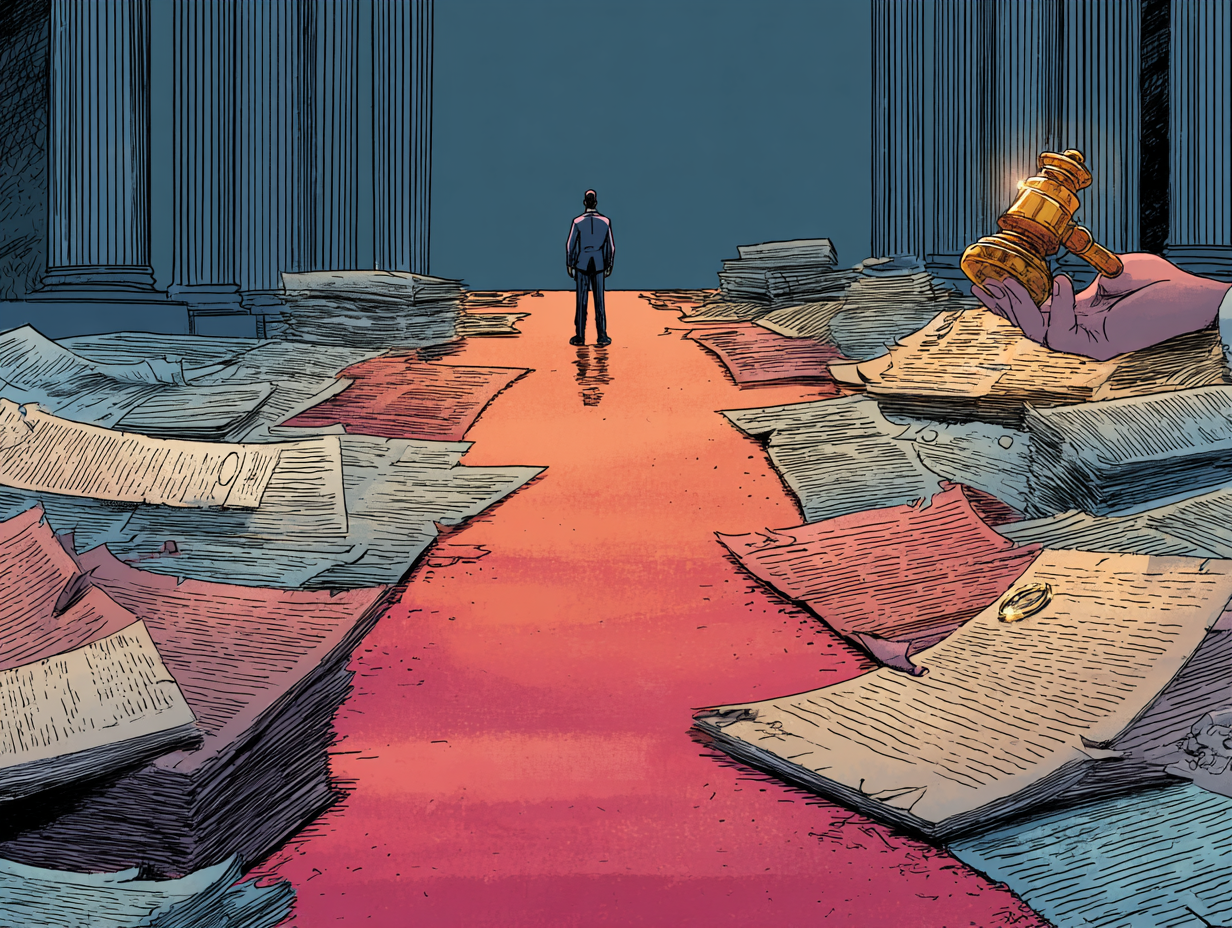
If you are a unionized employee in Ontario, you may assume you cannot speak with your own employment lawyer because your union represents you. That is not true.
A unionized employee can usually get independent legal advice at any stage of a workplace dispute. The harder question is whether that lawyer can formally take over the grievance. In most cases, the answer is no — not unless the union agrees, the collective agreement allows it, or a tribunal or court proceeding gives the employee an independent path.
That distinction matters. Your own lawyer may be able to advise you, prepare you, review documents, and help you protect your rights. But the union usually controls the grievance and arbitration process once the issue falls under the collective agreement. The Ontario Labour Relations Board explains that if a union accepts a grievance, it has responsibility for processing it through the steps in the collective agreement.
Why Unionized Employees Are Different
Non-union employees often deal directly with their employer or sue in court for wrongful dismissal, severance, discrimination, or constructive dismissal. Unionized employees usually do not have the same direct court route for disputes that arise from the collective agreement.
The Supreme Court of Canada has adopted an “exclusive jurisdiction” model for disputes that arise from the collective agreement, meaning the grievance and arbitration process is usually the proper forum rather than a civil lawsuit.
That does not mean a unionized employee has no independent rights. It means the employee needs to understand which forum applies: the grievance process, the Ontario Labour Relations Board, the Human Rights Tribunal of Ontario, a statutory complaint, or in rare cases, court.
1. Before a Grievance Is Filed
This is often the best time for an independent lawyer to step in.
A lawyer can review the discipline letter, termination letter, accommodation request, harassment complaint, investigation report, collective agreement, and any union correspondence. The lawyer can help the employee understand whether the issue appears to involve discipline, termination, seniority, overtime, discrimination, accommodation, unsafe work, or another workplace right.
The lawyer can also help the employee communicate clearly with the union. This is important because grievance deadlines can be short, and the employee should create a written record of what they asked the union to do.
At this stage, the lawyer is usually not “taking over.” They are advising behind the scenes.
2. While the Union Is Considering Whether to File a Grievance
A duty of fair representation issue may arise before any grievance is filed. The OLRB says the duty applies to a union’s representation of an employee in connection with the employer, including decisions in processing grievances and some negotiations.
If the union is ignoring the employee, missing deadlines, refusing to review evidence, or declining to file a grievance without considering the facts, independent legal advice may be useful.
A lawyer can help the employee ask the union the right questions, including:
What provision of the collective agreement did the union consider?
What facts did the union review?
Is the union refusing to grieve, or still investigating?
What is the deadline?
Will the union provide its decision in writing?
3. During the Grievance Process
Once a grievance is filed, the union usually has carriage of the grievance. That means the union decides how to process it, what arguments to advance, whether to settle, and whether to proceed to arbitration.
The employee’s independent lawyer may still help behind the scenes by reviewing the grievance, preparing the employee for meetings, organizing evidence, helping with written submissions to the union, and identifying missing issues.
But the employee’s lawyer usually cannot simply appear at the grievance meeting and replace the union representative unless the union permits it.
4. Before Signing a Settlement, Release, Resignation, or Last-Chance Agreement
This is one of the most important moments to get independent legal advice.
Unionized workplace disputes are often resolved through settlement. That may involve reinstatement, back pay, removal of discipline, a resignation, a reference letter, accommodation terms, a last-chance agreement, or a payment.
Before signing anything, the employee should understand what rights are being released, whether the settlement ends the grievance, whether there are human rights issues, whether benefits or seniority are affected, and whether the deal is final.
Vanguard Law’s pages on severance packages, workplace investigations, and harassment and discrimination may be relevant where the dispute involves termination, investigation findings, or workplace misconduct allegations.
5. If the Union Drops the Grievance or Refuses Arbitration
A union does not have to take every grievance to arbitration. The OLRB states that the final decision about how far a grievance should be processed, including whether it should go to arbitration, is made by the union and not the grievor.
However, the union must not act in a way that is arbitrary, discriminatory, or in bad faith. If the employee believes the union dropped the grievance unfairly, ignored key evidence, acted out of hostility, discriminated, or failed to turn its mind to the issue, an independent lawyer can assess whether there may be a duty of fair representation application.
The OLRB lists Form A-29 as the application for a union duty of fair representation complaint.
6. If the Issue Involves Human Rights
If the workplace issue involves disability, race, sex, pregnancy, creed, family status, age, gender identity, gender expression, sexual orientation, or another protected ground, an independent lawyer may also assess whether the employee has a human rights claim.
The HRTO states that it resolves claims of discrimination and harassment under Ontario’s Human Rights Code, including in employment. The HRTO also says an application generally must be filed within one year of the alleged discrimination or the last event in a series.
The Ontario Human Rights Commission has also noted that the HRTO confirmed jurisdiction to resolve Human Rights Code-related discrimination claims by unionized employees in Ontario.
Bottom Line
An independent lawyer can usually help a unionized employee early and often. The lawyer can review documents, explain options, prepare strategy, help with union communications, review settlements, and assess whether a DFR or human rights application may be available.
But in most cases, the lawyer cannot simply take over the grievance from the union. The best time to get advice is before a deadline is missed, before the union closes the file, or before the employee signs a settlement.
If you are a unionized employee and are unsure whether your issue belongs in a grievance, a human rights application, or a duty of fair representation complaint, contact Vanguard Law to discuss your options.